Milk is one of the most complete and widely consumed foods in the world. It has been at the heart of the human diet for centuries, thanks to its exceptional nutritional richness. At every age, milk is an essential ally in maintaining good health.
A wealth of essential nutrients
Just one cup of milk (250 ml) contains around 8 grams of high-quality protein. These proteins, such as casein and whey, are vital for building and repairing muscle tissue, especially after physical activity. Milk also provides around 12 grams of carbohydrates, in the form of lactose, which delivers energy and supports the absorption of essential minerals such as calcium.
Recommended daily calcium intake
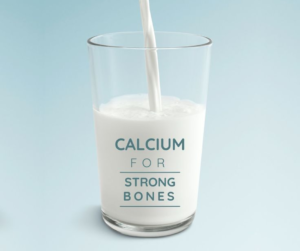
Milk is one of the best sources of calcium available. One serving of milk (250 ml) provides around 30% of your daily calcium needs. This mineral is essential for strong bones and healthy teeth. For example, regular consumption of milk helps prevent osteoporosis, a disease that weakens bones. For an adult, two glasses of milk a day is enough to meet nearly 60% of daily calcium requirements.
Vitamins and minerals to boost immunity
Beyond calcium, milk is an excellent source of essential vitamins. It provides vitamin D, which enhances calcium absorption and helps prevent bone disease. It is also rich in vitamin B12, a crucial nutrient for the proper functioning of the nervous system and the formation of red blood cells. Milk also contains vitamins A and B2 (riboflavin), both essential for maintaining good vision and an efficient energy metabolism.
Lipids for healthy energy
Whole milk contains around 8 grams of fat per cup, providing a concentrated source of energy. The fat globules in milk help the body absorb fat-soluble vitamins (A, D, E, and K). For those watching their fat intake, reduced-fat options such as semi-skimmed or skimmed milk are available, offering the same nutritional benefits with fewer calories.
Hydration and recovery after exercise
Milk is made up of nearly 90% water, making it a naturally hydrating drink. Studies have shown that milk is as effective, if not more so, than certain isotonic drinks for post-exercise recovery, thanks to its ideal balance of proteins and electrolytes. After an intense workout, a glass of milk helps replenish energy and repair muscles.
Milk is a versatile ingredient, used in countless recipes. At breakfast, a bowl of milk with cereal provides the ideal mix of carbohydrates, proteins and vitamins to start the day right. For children, a glass of milk at snack time, paired with a piece of fruit, makes for a balanced and nourishing treat. In the kitchen, it’s also used to prepare creamy sauces, smooth purées and gourmet desserts such as custards, crème caramel and entremets.
By choosing milk, you’re choosing a simple yet essential food, that offers unmatched nutritional richness for the whole family.
Milk is one of the most complete and widely consumed foods in the world. At the heart of human nutrition for centuries, it owes its place to its exceptional nutritional richness. Whether you’re a child, teenager, adult, or senior, milk is a vital ally in maintaining good health.
A treasure trove of essential nutrients
Just one cup of milk (250 ml) contains around 8 grams of high-quality protein. These proteins—such as casein and whey—are essential for building and repairing muscle tissue, especially after physical activity. Milk also provides about 12 grams of carbohydrates in the form of lactose, which supplies energy and helps the body absorb key minerals like calcium.
A daily dose of calcium
Milk is one of the best natural sources of calcium. A single 250 ml serving provides around 30% of the recommended daily intake. This mineral is crucial for healthy bones and teeth. Regular milk consumption, for instance, helps prevent osteoporosis—a condition that weakens bones. For adults, drinking just two glasses of milk a day covers nearly 60% of their daily calcium needs.
Vitamins and minerals to boost immunity
Beyond calcium, milk is packed with essential vitamins. It contains vitamin D, which promotes calcium absorption and helps prevent bone disorders. It’s also rich in vitamin B12, which supports the nervous system and red blood cell formation. Milk contains vitamins A and B2 (riboflavin) as well, both of which contribute to good vision and efficient energy metabolism.
Healthy fats for lasting energy
Whole milk contains about 8 grams of fat per cup, providing a concentrated source of energy. The fat globules in milk also support the absorption of fat-soluble vitamins (A, D, E, and K). For those watching their fat intake, lower-fat options like semi-skimmed or skimmed milk are available, offering the same nutritional benefits with fewer calories.
Hydration and recovery after exercise
Milk is composed of nearly 90% water, making it a naturally hydrating drink. Studies have shown that milk is as effective—if not more so—than some sports drinks for post-workout recovery, thanks to its ideal balance of protein and electrolytes.
After a tough workout, a glass of milk helps restore energy and repair muscles.
Milk is a versatile ingredient, used in countless recipes. At breakfast, a bowl of milk with cereal offers the perfect mix of carbs, protein, and vitamins to start the day right.For kids, a glass of milk and a piece of fruit at snack time makes for a healthy, satisfying treat. In the kitchen, milk is used to create creamy sauces, smooth purées, and delicious desserts like flans, crème caramel, or puddings. By choosing milk, you’re choosing a simple yet essential food—packed with unmatched nutritional value for the whole family.